As our planet faces unprecedented challenges, the loss of biodiversity has become a critical concern, with far-reaching consequences for ecosystems and human well-being. These articles delve into factors contributing to biodevastation, which is the loss of biodiversity and life. The articles explore the causes, consequences, and potential solutions shedding light on the profound impacts of biodevastation on ecosystems, wildlife, and the delicate balance of our planet.
Articles range from habitat destruction and pollution to the role of human activities in exacerbating the loss of biodiversity. We bring you expert perspectives and actionable steps to address and mitigate the challenges posed by the loss of biodiversity.
Together, let’s explore ways to protect and preserve the richness of life on Earth for current and future generations.
Each article serves as a stepping stone towards a deeper understanding of biodiversity loss and environmental destruction and the urgency to adopt better practices.
The arson attacks that engulfed the protected forests of he Andean-Patagonia region serve as a reminder that Western conservation models, which dispossess Indigenous peoples of their lands, are another tool of imperialism. To protect those lands, we need Indigenous sovereignty over them from Latin America and the Caribbean to Africa.
Oil and gas production can continue to rise for some time, even decades, before lack of discovery leads to lower production. For oil that day seems nearer than ever. For natural gas it might be a decade or two away. But even that is a very short time to get ready for a world of declining oil and natural gas production. And still we as a global society are pretending that increased consumption of oil and natural gas can go on, if not forever, at least for a very long time.
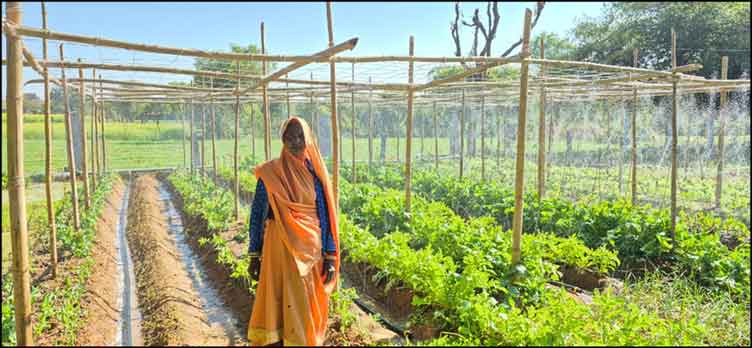
In the drought-prone fields of Karauli, where monocrops and erratic rains have trapped small farmers in cycles of risk and meagre returns, an innovative multilayer vegetable cultivation model offers a compelling alternative. By intensifying land use, optimizing scarce water, and reviving soil health through natural farming, marginal households are unlocking diversity, food security, and steady income from tiny plots. With community training and low-cost inputs, women farmers are leading a quiet revolution — growing over a dozen crops on limited space, reducing chemical dependence, and building resilience against climate shocks. This grassroots agroecology holds lessons far beyond Rajasthan’s drylands.
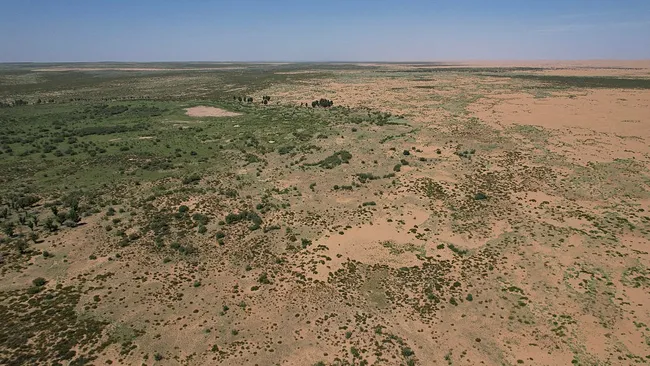
Huge “regreening” efforts in China over the past few decades have activated the country’s water cycle and moved water in ways that scientists are just now starting to understand.
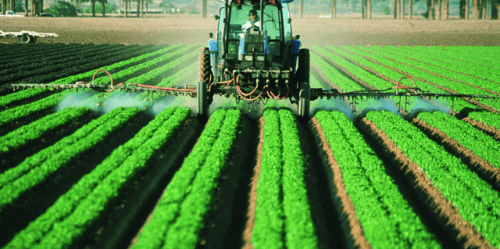
The World Health Organization’s cancer research agency has classified atrazine – the second most widely used herbicide in the United States – as “probably carcinogenic to humans,” adding to growing concerns about toxic exposures in the nation’s farm belt.
For a Midwest farm, when you plant treated seed, you’re introducing into the soil more than just germinating kernel and nutrients. You’re introducing a chemical load that lives in the seed, transfers into the plant, drifts or leaches into the environment, and affects non-target insects (pollinators, beneficials), soil health, water bodies animals and even humans.
Insects are vanishing from pristine rainforests. And since insects are ‘dropping like flies’, does loss of insects mean nature is collapsing? That question of whether nature is collapsing because of insect Armageddon is found in many articles and upscale publications with some claiming that nature is collapsing, some are not so sure, but some question all analyses because of the vast scope of the subject.
The unwinding of global commerce and carbon energy supplies will send shock waves through most sectors of life, says Smaje. In his book, he focuses mostly on the likely changes in agriculture, land ownership and use, livelihoods, household and family life, and politics, as seen through the eyes of ordinary people.