
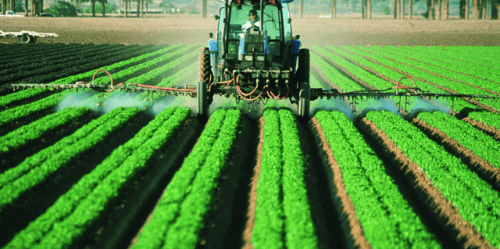
Herbicide is banned in Europe but widely used in the U.S.
The World Health Organization’s cancer research agency has classified atrazine – the second most widely used herbicide in the United States – as “probably carcinogenic to humans,” adding to growing concerns about toxic exposures in the nation’s farm belt.
The evaluation means the first and second most widely used herbicides in the U.S. – glyphosate and atrazine – are now both considered probable human carcinogens by the world’s leading independent cancer-hazard authority.
Atrazine is banned in the European Union and other countries due to health and environmental concerns, but remains widely used in the U.S., where it is a common contaminant in drinking water, according to the Environmental Protection Agency. Despite these concerns, U.S. regulators allow its continued use.
In its cancer classification, the International Agency for Research on Cancer (IARC) found “limited” evidence in humans that atrazine causes non-Hodgkin lymphoma, and “sufficient” evidence for cancer in experimental animals “based on an increase in the incidence of malignant neoplasms in female rats in multiple well-conducted studies,” the researchers wrote in Lancet Oncology.
They also noted, “There is ‘strong’ mechanistic evidence that atrazine exhibits key characteristics of carcinogens” – including that it causes oxidative stress and DNA damage in multiple organs, suppresses the immune system, causes inflammation, disrupts hormones and alters normal cell growth in several tissues in rodents.