Category: Biodiversity / Biodevastation
-

Pesticide linked to cancer and hormone disruption pollutes a quarter of US river miles
A cancer-linked pesticide banned in more than 60 countries around the world contaminates an estimated 25% of river and stream miles in the lower 48 US states, including many waterways used for drinking water, according to a new analysis.
-

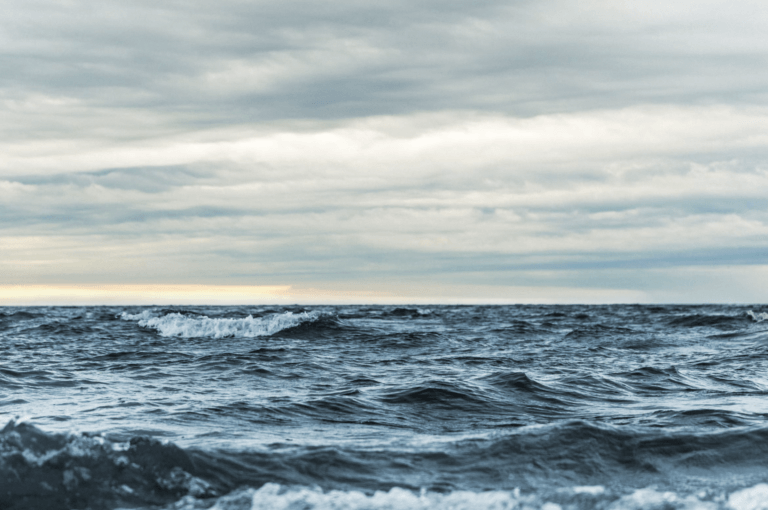
Ocean Death Countdown
Ocean ecosystems are undergoing profound changes as warming waters, declining oxygen levels and marine heatwaves disrupt food webs. The article examines the expansion of oceanic hypoxic dead zones, the decline of gray whale populations, widespread fish deaths and growing pressures on species such as Antarctic krill. It traces how melting Arctic sea ice is disrupting…
-

Climate Breakdown imperiling Coral Reefs: “Rainforests of the Sea”
Coral reefs support about a quarter of all marine life and sustain the livelihoods of more than a billion people through fisheries, tourism and other marine industries. Yet rising global temperatures, ocean acidification, sewage and industrial pollution are driving unprecedented coral dieback. The article examines why coral reefs may represent one of the first climate…
-

The magic of hot composting
Hot composting offers a faster way to turn household and garden waste into useful soil. Also known as Berkeley composting, the method relies on heat-generating aerobic bacteria, supported by a careful balance of carbon- and nitrogen-rich materials. With proper preparation and regular turning, a compost pile can reach temperatures high enough to destroy weed seeds…
-

Bill Gates promised Africa a farm productivity revolution. The data show sluggish yield growth and rising hunger.
Twenty years ago, the Gates and Rockefeller foundations launched the Alliance for a Green Revolution in Africa (AGRA), promising agricultural transformation from improved seeds, synthetic fertilizers, mechanization, and commercial markets. Now, nearly 20 years of data are in, and AGRA’s results fall far short of its promises. They raise fundamental questions about AGRA, the Gates…
-

The Forgotten 10 Billion Lives: A Tale of Suffering, Survival, and the Fight to See Farmed Animals
Photographs, storytelling, poetry, and well-documented research unveil the immense suffering, ecological devastation, worker exploitation, and economic injustice caused by the animal agricultural industry.
-

We Are Bombarding America’s Forests With Roundup
Scientists are wary of glyphosate. MAHA loathes it. And our yearlong investigation shows California is spraying it everywhere.
-

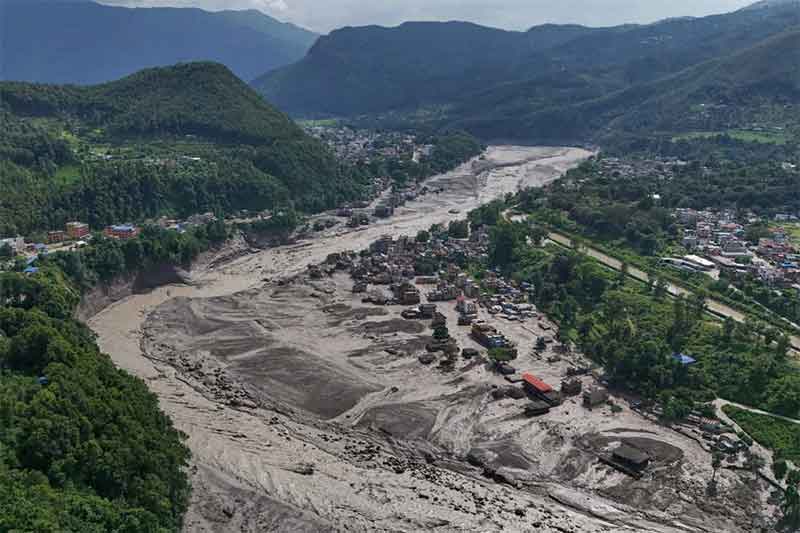
The Himalaya Is Sending Us a Warning: Nepal’s Catastrophe and the Coming Age of Mountain Disasters
The catastrophic floods and debris flows in Nepal and Tibet on 26 August have exposed the growing vulnerability of the Himalayan region. The disaster comes amid rapid glacier loss, expanding glacial lakes, destabilising mountain terrain and increasing development in fragile valleys. Soumya Dutta examines how climate change is interacting with infrastructure expansion to create more…
-

Nepal-Tibet flood: this is the cost of not acting in the face of the climate crisis
Nepalis and Tibetans must not pay the price – with their lives, livelihoods and money meant for education and health – for global heating caused by wealthy states.
-

Silent Valley: The People’s Movement That Saved India’s Priceless Rainforest
The Save Silent Valley Movement remains one of India’s defining environmental struggles. Faced with a proposed hydroelectric dam that threatened an ancient rainforest in Kerala, scientists, writers, activists and local communities united to protect one of the Western Ghats’ richest ecosystems. Their sustained campaign led to the cancellation of the project and the declaration of…