
If the 20th-century German philosophers Theodor Adorno and Max Horkheimer were alive today, they wouldn’t be writing books in quiet academic offices. They would be on TikTok, utterly terrified. Decades ago, these critical thinkers coined the term “cultural industry.” They argued that in modern capitalist societies, culture had stopped being an expression of human creativity and had instead become an assembly line. Like cars or tin cans, cultural products—movies, radio, music—were being standardized and mass-produced for one reason: profit. For decades, that theory felt a bit academic, a dusty relic of the Hollywood studio system or the era of three-channel television networks. But enter 2026.
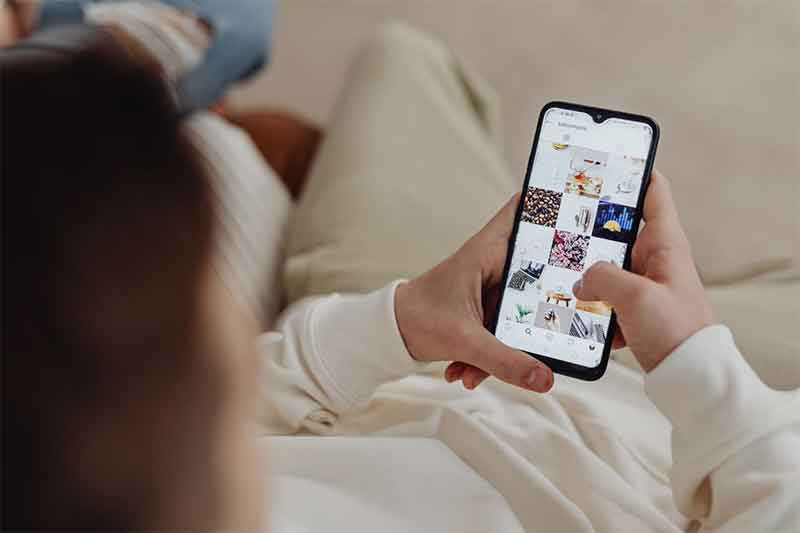
Look at any teenager or twenty-something glued to their smartphone on the subway, and you will realize that the cultural industry didn’t fade away. It just upgraded its software. On the surface, today’s digital landscape looks incredibly democratic. Anyone with a smartphone can hit “Record,” upload a video, and theoretically reach millions. We are no longer just passive consumers; we are creators; we have become respectfully ‘PRODUSERS’, having leverage of both producers as well as users. But this freedom is largely an illusion. While Gen Z and young millennials feel like they are steering the ship, the waters they sail are entirely controlled by data-driven algorithms designed with a single, aggressive goal: maximizing screen time and advertising revenue.
Take the recent explosion of “micro-dramas”—ultra-short, vertically shot, highly addictive fictional series tailored specifically for social media feeds. Deloitte reports that this format alone will pull in a staggering $7.8 billion this year. While the U.S. is expected to generate half of global revenue in 2025, its share will likely drop to 40% as other markets increasingly capitalize on this trend. They aren’t written for artistic depth; they are engineered based on algorithmic pattern analytics to trigger immediate emotional hooks and keep fingers scrolling. When every trend, dance, and audio clip is dictated by an optimization engine, “culture” becomes deeply homogenized. It is why scrolling through your feed can feel like a blur of identical aesthetics—whether it’s the “cozy slow-living” vibe or the chaotic meme-driven humor that currently dominates youth culture.
The most profound impact of this modern cultural machinery isn’t what it does to our wallets; it’s what it does to our minds. For Gen Z, identity formation has become an exercise in public curation. “Fandom is the new identity,” notes a recent 2026 media trends report. “Ninety-one percent of young adults say mainstream pop culture no longer exists. Instead, they assemble their own modular operating systems for self-expression out of niche internet subcultures.” Whether it is a deep-dive obsession with anime, a specific fitness subculture, or the aestheticization of daily life through “Sincerity-core,” these spaces provide genuine community. Yet, the cultural industry wastes no time in converting that sense of belonging into a transaction.
Take the modern influencer economy. Influencers are the ultimate cultural intermediaries. They don’t simply sell you a product in a commercial; they integrate it into their lives, blurring the line between authentic human connection and corporate sponsorship. Success and self-worth are transparently measured in views, likes and direct-message engagement. When our very identity is managed like a personal brand, we become both the factory worker and the product. But today’s generation isn’t a monolithic group of passive consumers. They’re becoming increasingly cynical of the digital ecosystem they were brought up in. One of the biggest changes of 2026 is an enormous, generational revolt against AI-created content. As generative AI floods social feeds with hyper-optimized, artificial imagery and text, young consumers are pushing back. This skepticism has ignited an unexpected counter-movement.
Tired of the over-polished, highly simulated digital world, Gen Z is migrating toward private feeds—sharing content via direct messages (DMs) and closed group chats rather than posting publicly. In fact, 70% of Gen Z engagement on Instagram now happens through DMs and private story replies. TikTok brand shares are up 60% quarter over quarter while follower growth dropped 27% in the same period. The platforms aren’t fighting this migration to private channels. There is a fierce craving for the unedited, the broken, and the human. The digital cultural industry isn’t going anywhere. It is the infrastructure of modern life, acting as the primary newsroom, marketplace, and social square for an entire generation.
The solution isn’t to log off entirely—an impossible ask in a world built on digital connection. Instead, the answer lies in critical media literacy. We need to teach young people to look at their feeds not just as windows to the world, but as highly complex financial ecosystems. When a young adult understands why an algorithm is showing them a specific video, or how a trend is manufactured to spark impulse buying, the spell breaks. Only by questioning the mirror can the contemporary generation reclaim control over their own identity—moving away from being passive metrics in a tech company’s quarterly earnings report, and moving toward becoming truly independent citizens of the digital age.