Produce less. Distribute it fairly. Create a greener world for all.

Politics

Welcome to our collection of articles dedicated to green politics. As our world grapples with pressing environmental and societal challenges, the green political movement emerges as a beacon of change.

These articles explore core areas of green politics such as: degrowth, demilitarization, union and worker rights, and anti-capitalism.

Discover the nuances of degrowth as we examine strategies to reshape economies, moving away from military and capitalist growth models toward a more balanced, regenerative approach. Explore the imperative of demilitarization, unraveling the environmental and social impacts of excessive military expenditures, and delving into proposals for redirecting resources towards constructive, peace-building endeavors. Anti-capitalism is a key theme, challenging the prevailing economic systems that prioritizes profit over people and the environment. Union and worker rights in politics is another key area. Our articles dissect the green political stance on restructuring economies to prioritize social justice, environmental sustainability, and community well-being.

This thought-provoking content analyzes the intersectionality of these principles, offering insights into how green politics seeks to create a world where ecological responsibility, demilitarization, and anti-capitalist values converge for the betterment of society and the planet.

We hope you enjoy these explorations of the progressive ideals of green politics, providing you with valuable perspectives, informed analyses, and potential solutions to the challenges we face. Stay engaged, informed, and inspired, and let’s pave the way toward a future guided by the principles of degrowth, demilitarization, and anti-capitalism.

“We Will Never Again Be Slaves”: Speech by Venezuela’s Vice President Delcy Rodríguez

Delcy Eloína Rodríguez Gómez

“As imperial forces strike at the heart of Venezuela, Vice-President Delcy Rodríguez’s words ring out: ‘We will never again be slaves, never again a colony of any empire’.” In her powerful address following the U.S. military’s unprecedented capture of President Nicolás Maduro, Rodríguez rejects foreign domination and calls for unity in defence of sovereignty, natural resources, and Bolivarian independence. This is not mere rhetoric — it is a bold anti-imperialist proclamation at a moment when global power politics collide with the aspirations of a people determined to chart their owndestiny.

The United States attacks Venezuela and kidnaps its president in an illegal operation

Taroa Zúñiga Silva and Vijay Prashad

A shocking and illegal escalation has plunged Latin America into crisis. In the early hours of January 3, the United States launched a military assault on Venezuela, unleashing explosions over Caracas and seizing President Nicolás Maduro and his wife in a brazen act that defies the United Nations Charter. Washington now claims custody of Venezuela’s leaders, charging them under U.S. law — while Caracas calls it outright kidnapping and “imperialist aggression.” This isn’t a standalone event but the culmination of decades of U.S. intervention and economic warfare against Venezuelan sovereignty. Latin America—and the world—must reckon with this dangerous newprecedent.

Colombia’s Historic Pact Unifies the Left into a Single Party

Resumen Latinoamericano

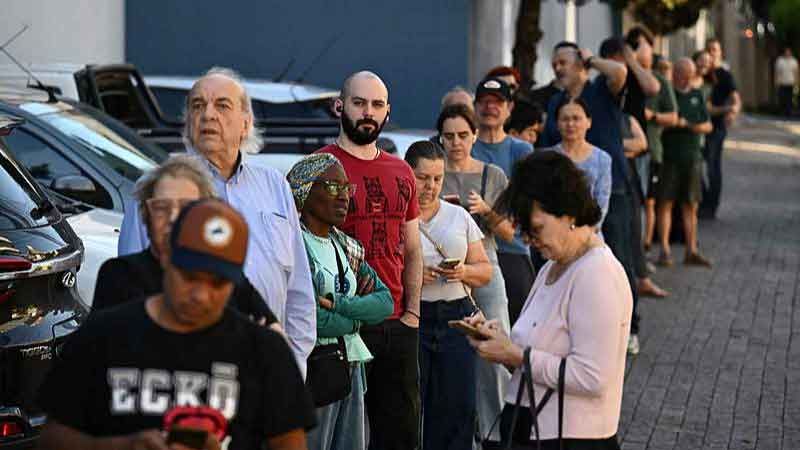
The CNE accepted the merger of the left-wing parties Unión Patriótica, Polo Democrático Alternativo, Comunista and Progresistas, leaving only Colombia Humana out.

US Strikes Venezuela, Trump Claims Maduro “Captured and Flown Out”

Countercurrents Collective

In the early hours of Saturday, January 3, 2026, a dramatic escalation shook Venezuela and raised alarms across the hemisphere. Shortly thereafter, Trump announced that the United States had carried out a “large-scale strike” against Venezuela and that President Nicolás Maduro and his wife, Cilia Flores, had been “captured and flown out of the country.” To understand the gravity of these events, they must be placed against the long history of U.S. interventions in Latin America, Central America, and the Caribbean — interventions frequently cloaked in rhetoric about democracy, security, or anti-drug efforts, but consistently serving strategic and economic interests.

SPEECH: Why We Use Violence, Frantz Fanon, 1960

Frantz Fanon

Fanon’s work, “Why we Use Violence” transcends the historical moment in which it was written. It speaks prophetically to other moments of repression and resistance with a clarity, passion, and humanity that is rarely matched. And one hundred years after his birth, as the “murderous reactions” of the colonists continue unabated, Fanon’s prophetic, revolutionary genius remains undefeated. When Fanon says, “We must really make the white settlers hesitate and the nations that support them,” he could easily be giving us advice on what to do about the zionist monsters currently committing genocide in Palestine.

De-Baathification 2.0: One Year Since the Fall of Syria

Essam Elkorghli

Western media celebrate the terrorist they supported as Syria’s savior. Syria’s new U.S.-backed rulers have erased anti-colonial history, enacted neo-liberal policies, and welcomed Israeli occupation, fulfilling the goals of the regime change project.

Why Washington Labels Volunteer Healers “Forced Labor” — and How We Counter the Smear

Prince Kapone

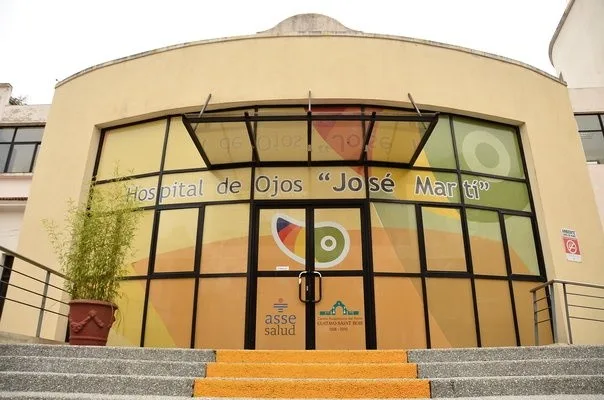
When Edith M. Lederer ― a UN press-room fixture since Vietnam ― files a wire, the voice of Uncle Sam still echoes through the copy. Her latest piece for the Associated Press claims that Cuba’s global health brigades amount to “forced labor.” The accusation doesn’t come from a patients’ union or a medical watchdog; it drips straight from Senator Marco Rubio’s podium, yet Lederer repeats it verbatim, without pausing to verify whether the hundreds of thousands who have queued for Cuban care consider their physicians enslaved or emancipatory.

Against climate resilience

Clement Amponsah

Development agendas framed around “resilience” promise empowerment but often reproduce colonial power dynamics in the guise of climate adaptation.

The Great Hoax Against Venezuela: Oil Geopolitics Disguised as ‘War on Drugs’

Pino Arlacchi

During my time as head of the United Nations Office on Drugs and Crime (UNODC), I frequently traveled to Colombia, Bolivia, Peru and Brazil, but never to Venezuela. There was simply no need.

12323 Next