Category: Less of What We Don’t Need
-

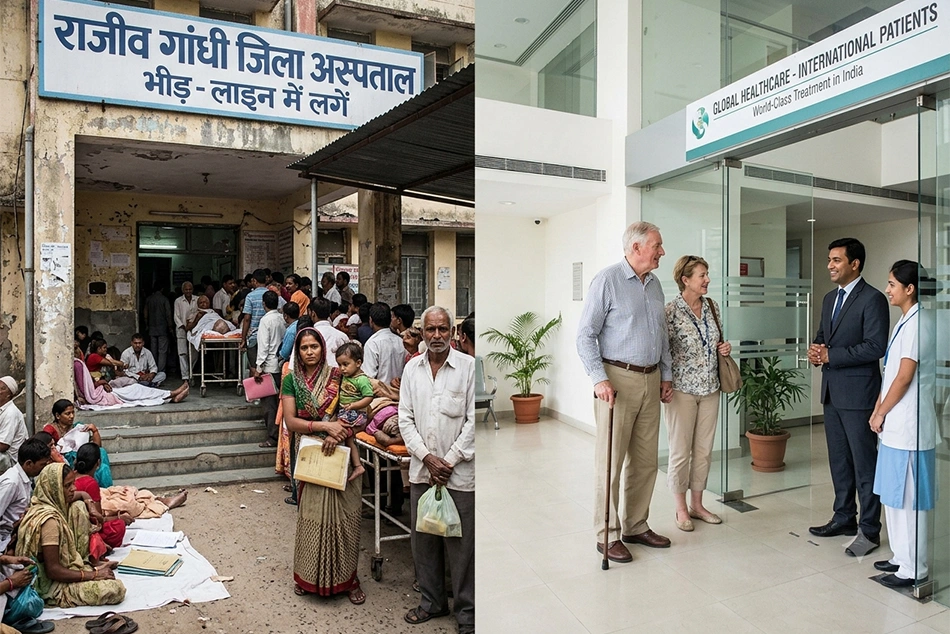
India’s Medical Tourism Push Has A Doctor Problem
Commerce and Industry Minister Piyush Goyal’s target of 10 million medical tourists a year won’t create new capacity in Indian healthcare, it will pull capacity out of a public system that’s already short on it
-

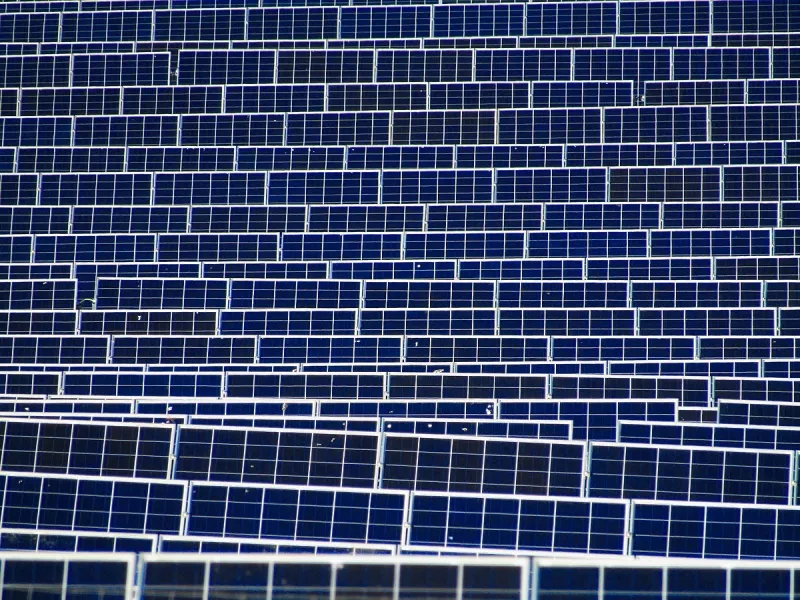
Can decentralized energy prevent the next crisis?
As wars, extreme weather, fuel shortages and rising electricity demand strain aging power systems, decentralized energy is gaining importance. Solar panels, batteries, smaller generators and microgrids can reduce dependence on vulnerable centralized grids and help maintain essential services during disruptions. In Ukraine, distributed systems are supporting hospitals and water infrastructure amid attacks. Puerto Rico is…
-

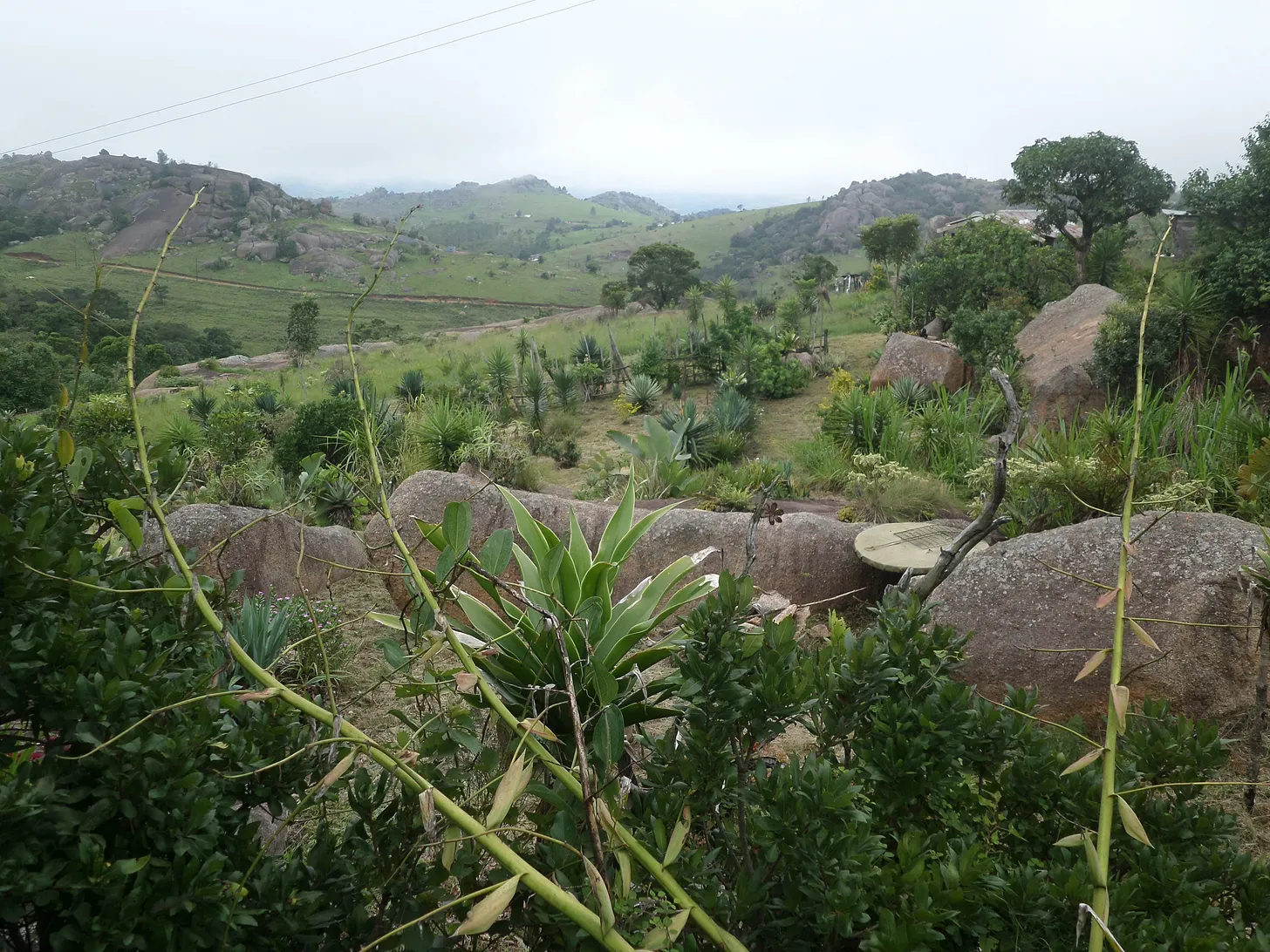
A Garden Paradise in the Clouds
In the mountains of Eswatini, Warren has built a garden around indigenous plants, permaculture and local ecological knowledge. But the landscape he has carefully cultivated is facing a changing climate. He has witnessed heavier and less predictable rains, flooding, soil erosion, crop failures and the spread of invasive species. His response combines practical adaptation with…
-

Argentina: The streets put a stop to Milei’s plundering
Javier Milei’s government has faced setbacks both in the streets and in Congress over its plans to liberalize foreign ownership of land and weaken environmental protections. Mass protests against the proposed land law were met with police repression, while the government failed to secure enough parliamentary support to pass key provisions as presented. The article…
-

Climate communication is irrationally hopeful. We need to tell the truth about the Great Unraveling
Climate communication has often emphasized hope, success and the possibility of staying within the 1.5°C threshold. Theresa Leisgang and Gerriet Schwen argue that this approach can obscure the severity of the climate crisis. Drawing on climate science, research and conversations with scientists, journalists and activists, they examine the growing evidence of ecological and social breakdown…
-

‘There are no unsacred places’: I’m glad Wendell Berry’s memory will trouble my thoughts
Berry didn’t exempt himself from this critique of the destructive habits that draw down the ecological capital of the planet: “I am … still in bondage to the automobile industry and the energy companies, which have nothing to recommend them except our dependence on them. I still fly on airplanes, which have nothing to recommend…
-

Kohei Saito on degrowth, Marx and the future of the left
Transcript of my interview with Kohei Saito on 1 st September, 2023 on the occasion of the 9th International Degrowth Conference in Zagreb. This interview was originally published in Czech in Alarm, a Czech left-wing online magazine, on 28 September 2023. This is the first English publication of the full transcript, approved by Kohei Saito.
-

Society featured ‘Studies in Happiness’: What Japan can teach us about thriving beyond economic growth
Japan offers a distinctive perspective on degrowth, shaped less by deliberate economic contraction than by depopulation, ageing, and shrinking rural economies. Junko Edahiro examines how communities are adapting by placing wellbeing, resilience, sufficiency, and local participation ahead of conventional growth. From Transition Town Fujino’s local energy initiatives to the “Half Farmer, Half X” lifestyle model…
-

Living Better with Degrowth
Openly discussing degrowth can be a great activity both for those who think about it a lot as well as those who never imagined that life can improve with less stuff. Our group examination proved a great way to let a thousand flowers bloom in people’s minds. Removing the ills of the old society is…
-

Vampire Planet: Killing in the Name of … Climate Change
The amount of materials needed to sustain an electrified future at the world’s continued pace of economic growth is as remarkable as it is troubling. By one estimate, at least 384 new mines will be needed by 2035.