Category: Less of What We Don’t Need
-

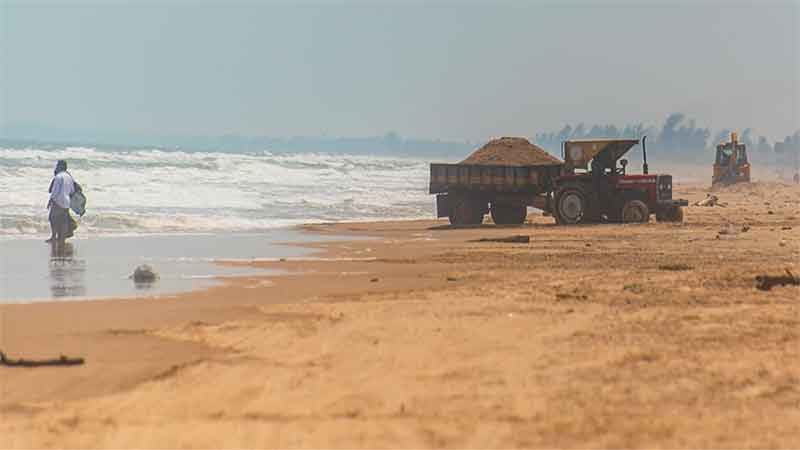
PM Modi Urged To Revoke Private Mining of Monazite-rich Beach Sands
Former Union Secretary E. A. S. Sarma has appealed to the Prime Minister not to permit private mining of Monazite, the mineral from which Thorium is extracted for India’s long-term nuclear energy programme. He argues that opening the sector to private firms would depart from the vision of Homi J. Bhabha, weaken strategic control over…
-

Repeated storms are turning disaster recovery into a way of life and leaving communities facing disaster fatigue
Repeated floods and storms across the United States are making recovery a continuous struggle rather than a temporary phase. As extreme weather becomes more frequent, many communities face repeated rebuilding, mounting financial losses, strained public resources, and growing emotional exhaustion. Researchers describe this pattern as disaster fatigue, where repeated crises weaken social networks, overburden local…
-
Whitmer’s Data Center Push Isn’t Just Bad for Michigan – It’s Bad for the World
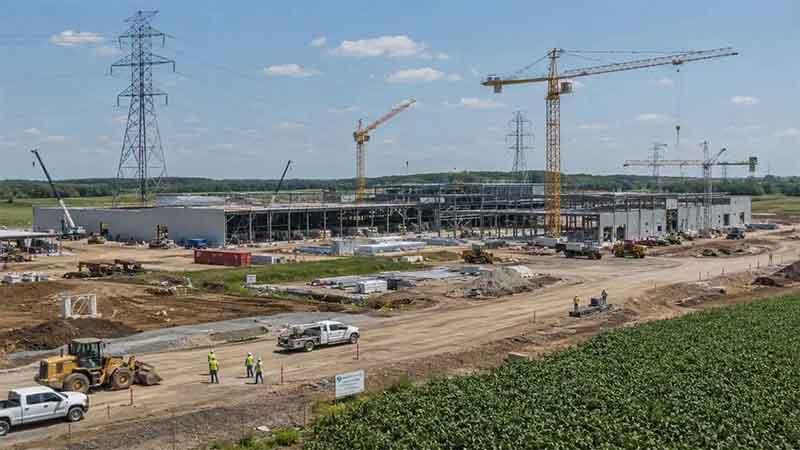
A proposed AI data center in Michigan has become the focus of growing opposition from residents who argue that its costs extend far beyond the local community. Jackie Barlow and Stewart Mitchell contend that large-scale data centers consume vast amounts of energy and resources, deepen environmental damage, and strengthen surveillance and military infrastructure. They link…
-

UN and India on AI Data Centers: Two Divergent Views
As governments and corporations race to build AI infrastructure, a growing divide is emerging over how data centres should be understood and regulated. This article examines the contrasting approaches of the United Nations and the Indian government: while the UN emphasises the environmental costs of AI, including rising energy, water and mineral consumption, India views…
-

The New Scramble for Critical Minerals: Who Pays for the Green Transition?
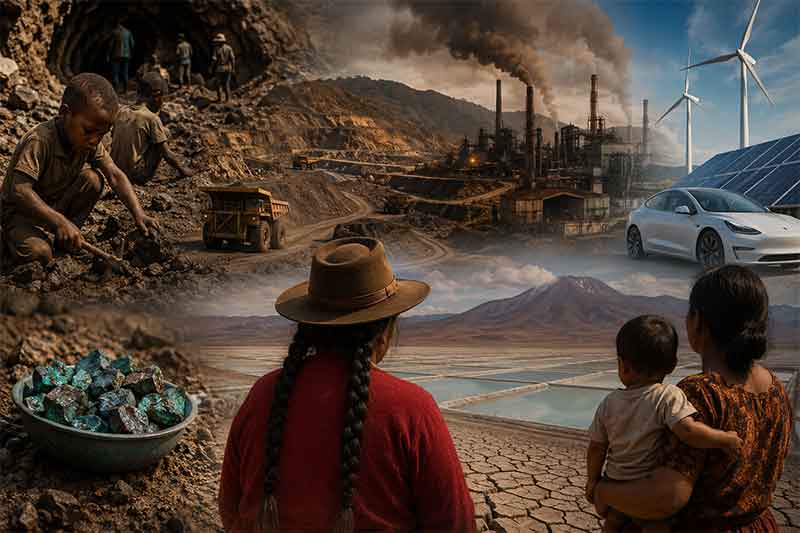
The global shift to clean energy depends heavily on minerals such as lithium, cobalt, nickel and rare earth elements. This article by Utkarsh Mishra examines how the extraction of these resources is reshaping economies and geopolitics while imposing significant environmental and social costs on communities in the Global South. Drawing on evidence from Congo, Indonesia…
-

Lithium Mining in the Democratic Republic of Congo: A new mineral rush spearheaded by the United States, Europe, and other major powers
The article examines the growing global race for lithium in the Democratic Republic of Congo and its implications for local communities, ecosystems, and international politics. It traces how rising demand for batteries used in electric vehicles and energy storage is intensifying competition among major powers, including the United States, Europe, and China. The authors place…
-
The Human Cost of India’s Informal Economy
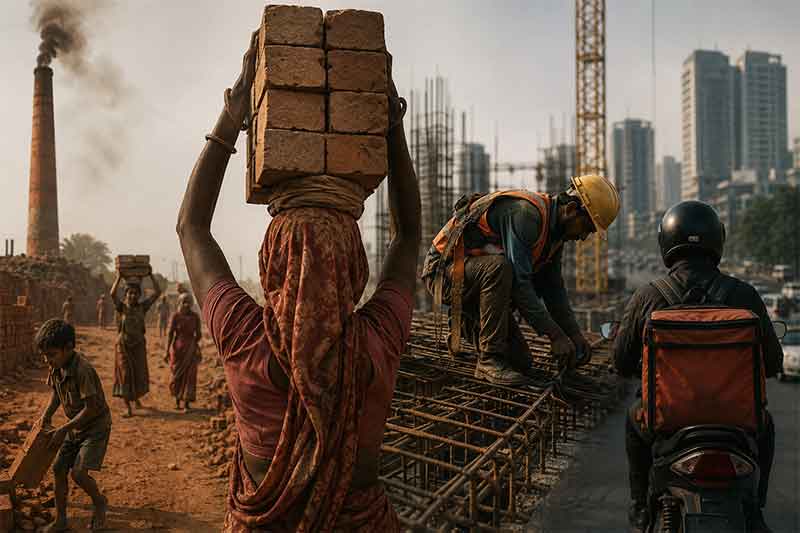
This article by Utkarsh Mishra examines the human cost of India’s vast informal economy, which employs nearly 90% of the workforce. It traces the realities faced by brick kiln workers, construction labourers, and gig workers, highlighting debt bondage, child labour, unsafe conditions, and the absence of social protection. Drawing on research and workers’ testimonies, the…
-
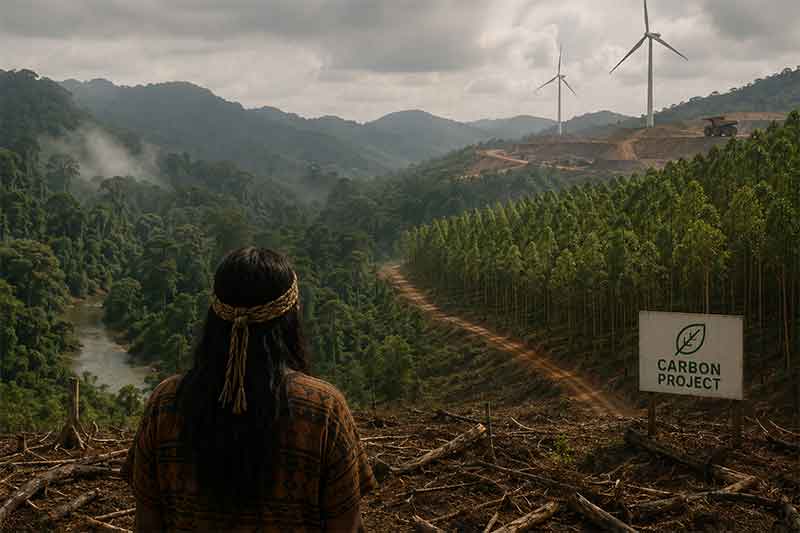
The Green Transition’s Dirty Secret: How Climate Projects Are Stripping Indigenous Land Rights
As governments and corporations accelerate the shift to renewable energy, carbon markets, and critical mineral extraction, Indigenous communities across the Global South are increasingly facing land dispossession, exclusion from decision-making, and violations of their rights. This article examines how climate projects promoted as solutions to the environmental crisis often proceed without Free, Prior and Informed…
-

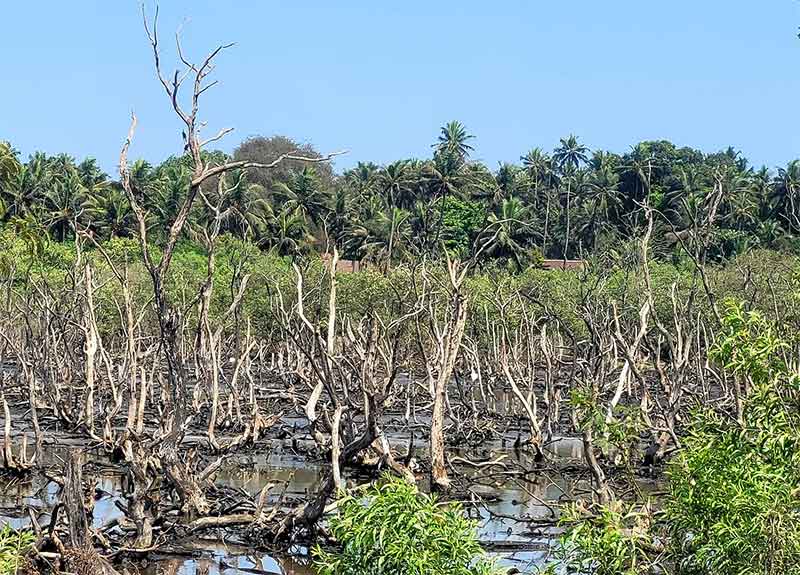
Goa Cannot Afford the Perilous Push to Dilute Coastal Regulations
Goa’s coastal ecosystems are under growing pressure from erosion, climate change, pollution, and rapid construction. This article examines recent proposals to relax Coastal Regulation Zone (CRZ) norms and ease sand extraction rules, arguing that such measures could deepen environmental vulnerabilities in an already fragile coastal state. Drawing on scientific evidence and examples from India and…
-

The Hormuz ‘dry run’: life without oil and petrochemicals
The disruption of shipping through the Strait of Hormuz highlights how deeply modern societies depend on oil and petrochemicals. Mark H. Burton argues that rising energy costs, supply chain disruptions, and shortages of essential goods reveal vulnerabilities that extend far beyond a regional conflict. Drawing connections between resource depletion, ecological overshoot, and systemic economic risks,…