Category: Less of What We Don’t Need
-

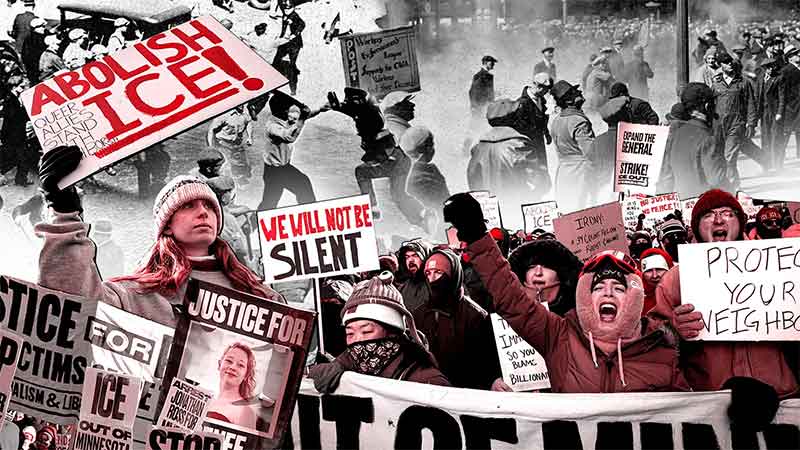
Minneapolis Is a City of Heroes-Veterans Join Community Resistance
In the shadow of escalating federal repression, Minneapolis emerges as a true City of Heroes — where veterans, neighbors and new acivists stand shoulder-to-shoulder against militarized “Homeland Security” assaults on their streets. From winter vigils to first-aid patrols and whistles in the night, those once silent now resist with unwavering solidarity. The courageous presence of…
-

A Confession from Tech Bro Gerry McGovern
Gerry McGovern’s newest book, 99th Day: A Warning about Technology, reads like a Truth and Reconciliation Commission about technology’s impacts on ecosystems and public health. From his start on a small Irish farm, McGovern wanted to be a modern, materially wealthy man. In the early 90s, he developed an online community, a blogging system and…
-

Climate Science And Mitigation Update
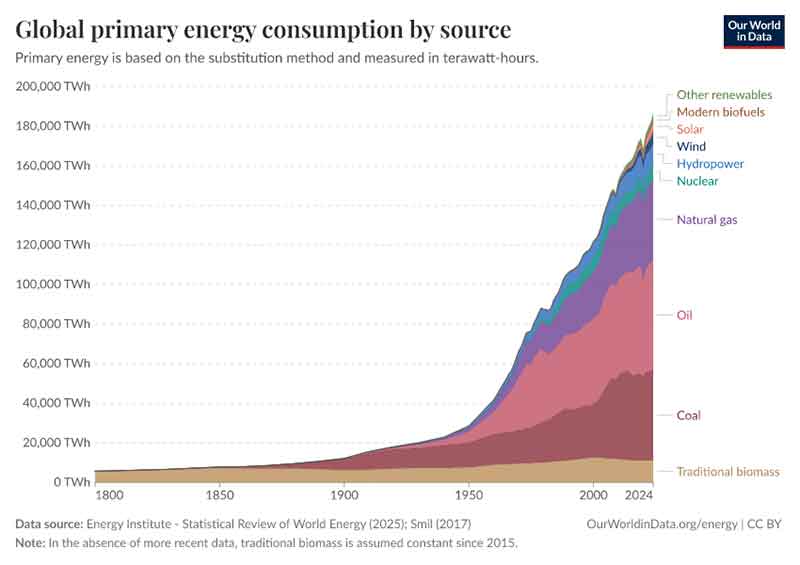
The climate crisis is no longer a distant threat—it is an accelerating emergency exposing the bankruptcy of incremental solutions and market-driven “green transitions.” This incisive update dismantles the myth of a smooth energy transition, revealing how renewables are being layered atop fossil fuels rather than replacing them. As heatwaves, storms, and ecological breakdown intensify, the…
-

You Don’t Miss What Doesn’t Exist
“Anthropause” is an amazing word and the latest book about it is an eye-opener. Stan Cox’s Anthropause: The Beauty of Degrowth (2026, Seven Stories Press), does what far too few degrowth books do – it first focuses readers’ attention to the positive experiences we could enjoy in a society less dedicated to producing unnecessary stuff.
-

Basis for Climate and Environmental Liberation
A movement born from radical action now risks being defanged by racism and elite capture. As the climate crisis continues to grow, the only viable path is a radical struggle for climate and environmental liberation.
-

How to Dress and Undress your Home
Before the large-scale use of fossil fuels, removable textile layers kept homes warm in winter and cool in summer.
-
Climate Meltdown, Mass Extinction, Resource Wars…and Maybe a Way Out?
The degrowth movement’s not claiming that the way to prevent ecological and civilizational collapse is simply to play Whac-A-Mole by working our way through individual problems like traffic congestion or light and noise pollution. In fact, the point of degrowth is that societies should leave all such problems, including the potential disaster of climate change,…
-

Venezuela and Greenland: ‘Smash-and-grab’ diplomacy in the age of scarcity
What the current U.S. administration is doing, though probably unwittingly, is saying the quiet part out loud. As the natural resources that the modern world depends on become more and more scarce, countries will more and more resort to openly violent methods to secure access to those resources.
-

Blind Spots in the Climate Movement
Let’s start with the goal of no new energy infrastructure whatsoever from any source, make do with what we have now, and shut down infrastructure from there as we eliminate frivolous use. This is an attainable goal.
-

Venezuela: It’s Much More Than Oil
As the US openly discussed schemes to add Greenland to its list of conquered territories, it became abundantly clear that “Alternative Energy” (AltE, solar, wind, hydro power) joined fossil fuels at center stage. Greenland is closer to Venezuela than they appear on a map. Cultural racism has been central to Venezuela’s political struggles for 500…