Category: Thinking Politically
-

July 5: Algeria’s Long Reckoning with Empire and Memory
A chronicle of a century and a half, from the fall of Algiers to its rebirth on the same date — an anthem to Algeria and to all who gave their blood so that she might live.
-

‘Earth’s Greatest Enemy’
A new documentary details how the US military is destroying all forms of life—from oceans, plants, and animals to the communities it attacks and even the people who fight its wars. Documentary is available for viewing on Apple TV, Prime Video, and Watermelon Pictures: https://earthsgreatestenemy.com/
-

The World Cup Meets Casino Capitalism
FIFA’s new prediction market partners cast a shadow over the people’s game.
-

Defying Empire: Cuba’s Contributions to the Fight Against Racism and White Supremacy
Defying Empire: Cuba’s Contributions to the Fight Against Racism and White Supremacy The white capitalist cannibal has always fed on the world’s black peoples. White capitalist imperialist society is profoundly and unmistakably racist. Walter Rodney White supremacy and racism cannot be dissociated from capitalism. It was racism and white supremacy that provided the…
-

Cuba Does Not Abandon Venezuela
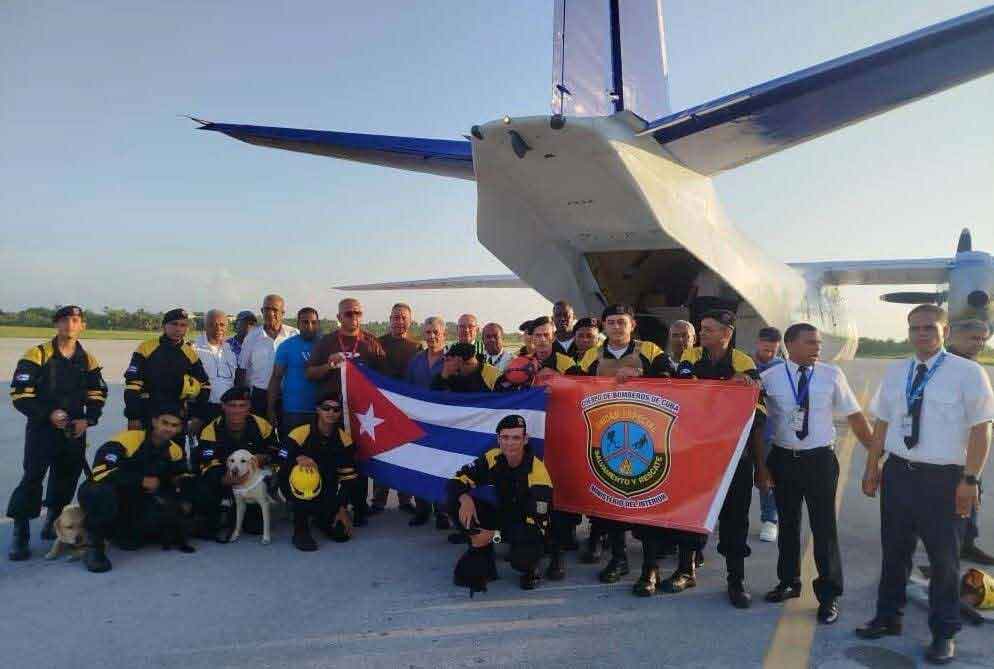
Solidarity makes no noise. It doesn’t always make the headlines. It doesn’t change the course of an earthquake. But it changes the way people navigate the darkness. And while Venezuela continues to hope for more miracles amid the ruins, Cuba once again steps up, just as it has so many times before.
-

Peru: How to Steal an Election?
These general elections in Peru were not held under conditions of a healthy democracy. On the contrary, the electoral landscape had been rigged beforehand by the coup-making and mafia coalition that, since December 7, 2022, captured the branches of state power.
-

Palestinian Doctors Abandoned: The AMA’s Silence on Gaza and Dr. Hussam Abu Safiya
At the annual conference of the American Medical Association, activists from CODEPINK urged physicians to speak out for Palestinian pediatrician Dr. Hussam Abu Safiya, who has been held in Israeli detention for over 500 days without charge. This article examines the response of the AMA leadership and staff, contrasts it with the organization’s earlier support…
-

Are the Falling NAEP Scores a Crisis?
Billionaire funded “research” aims to push American education back to the dark days of No Child Left Behind.
-

How to Sell a Genocide: The Media’s Complicity in the Destruction of Gaza by Adam H. Johnson–Reviewed by Kim Scipes
Review of a book that examines in detail the role of the liberal, mainstream media in complicity with the destruction of Gaza.
-

Reconstruction, Seventy-Five Years After, W. E. B. Du Bois, 1943
“Without the help of the American Negro, the abolition movement would have been impossible.”